

We believe education should expand possibility, not reproduce limitation. Our Mission is to create opportunity through reflective experiences where students examine their goals, imagine themselves in a variety of pathways, and take transformative action towards their post-secondary futures.

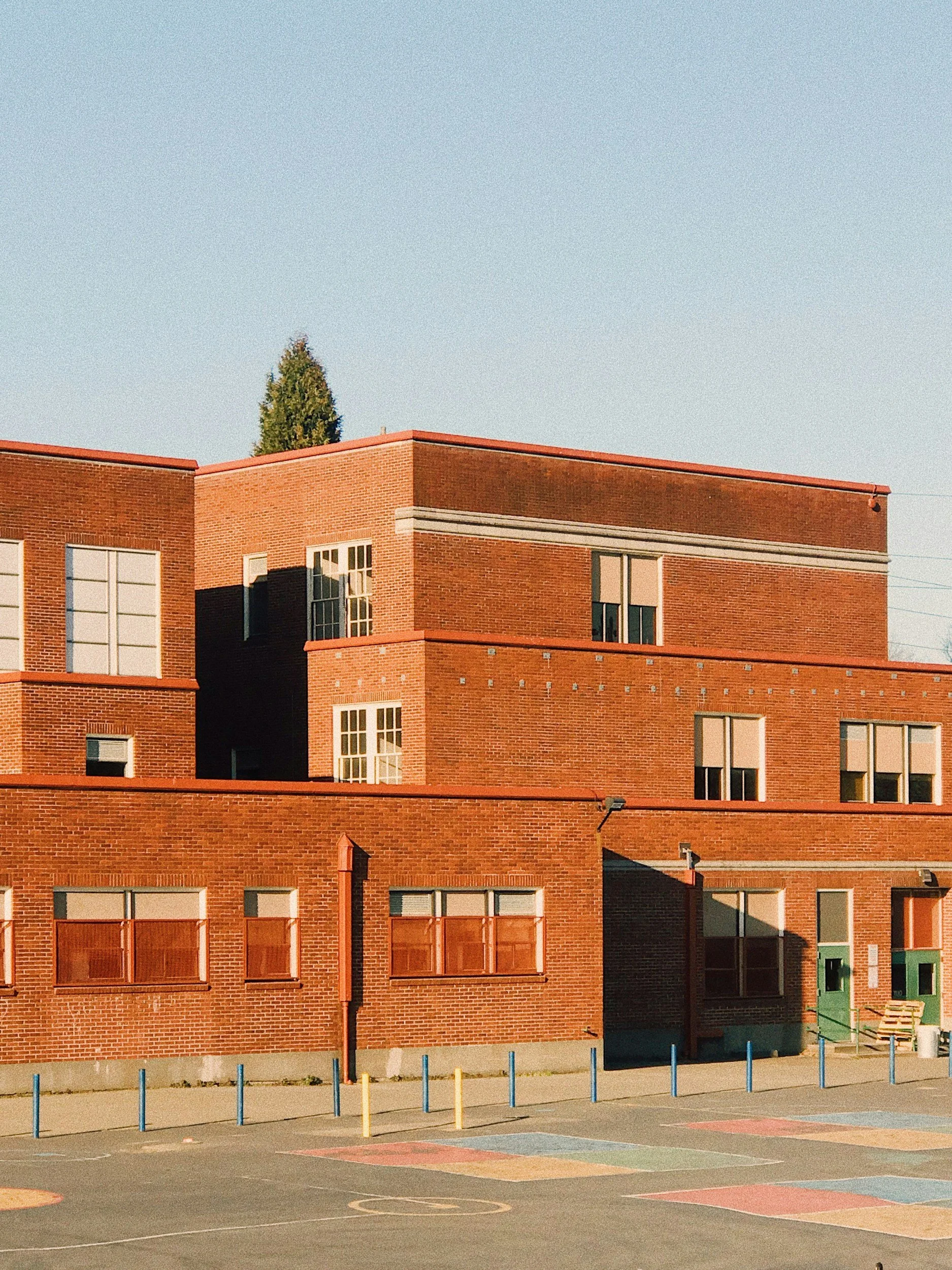
9.8 Million students attend rural public schools.
Rural high schools offering just 6 AP courses, compared with 13 at suburban schools.

35% of rural high school graduates take dual-enrollment courses-higher than their urban and suburban peers.
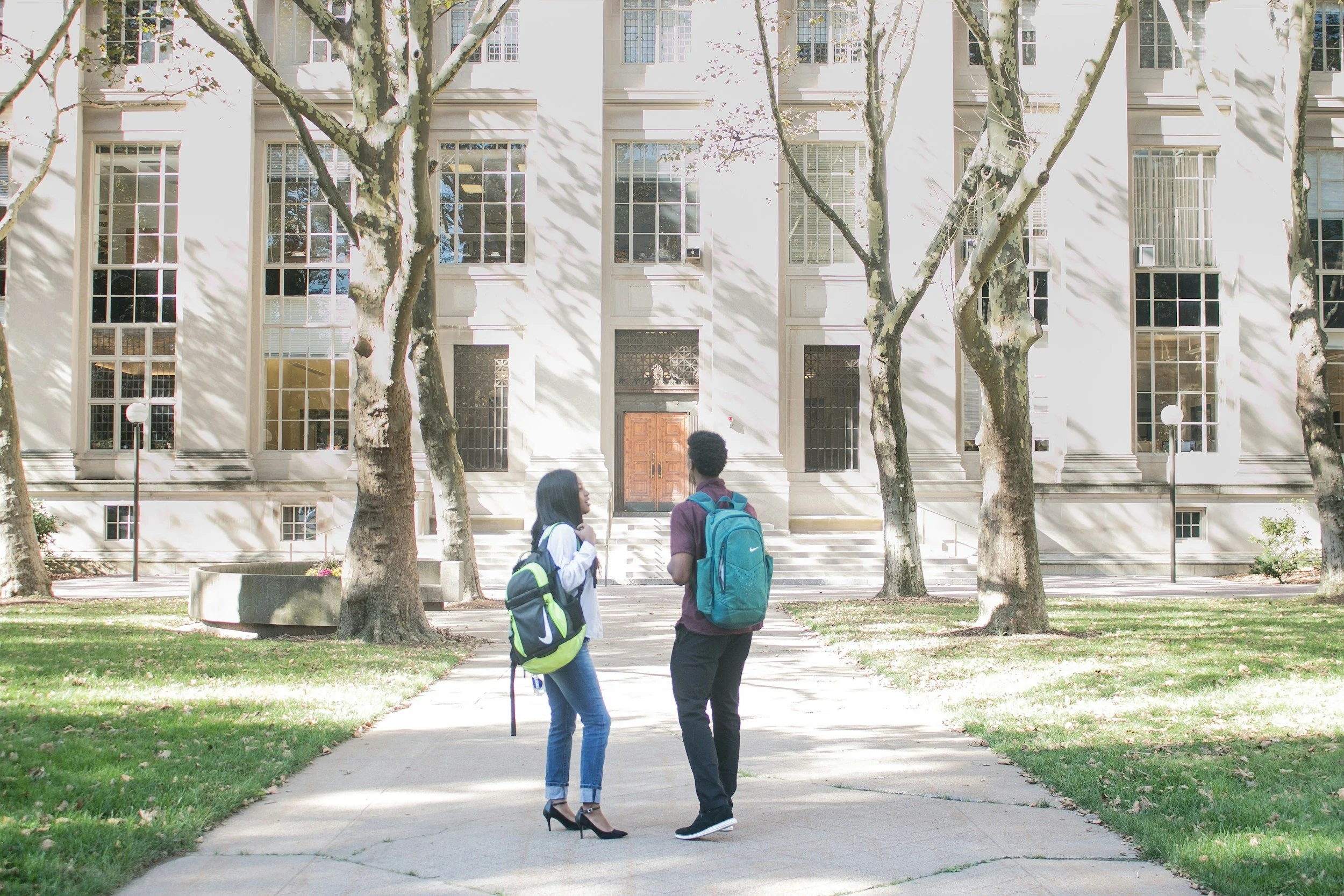
About 23% of rural adults hold a bachelors degree or higher, compared with 38% of metropolitan adults.
Talent is everywhere. Opportunity isn't.
Rural students are already taking advantage of the opportunities available to them. Boundless Education works to expand what students can see, experience, and imagine for their futures.
¹ National Center for Education Statistics. (2023). Enrollment and School Choice in Rural Areas. U.S. Department of Education. Data from the 2019–20 Common Core of Data.
² National Center for Education Statistics. (2024). A Majority of Grade 9–12 Public Schools Rate Themselves Favorably on Preparing Students for College. U.S. Department of Education. School Pulse Panel data.
³ National Center for Education Statistics. (2024). College Preparatory Coursework in Rural High Schools. U.S. Department of Education. Data from the 2019 NAEP High School Transcript Study.
⁴ U.S. Department of Agriculture, Economic Research Service. (2025). Educational Attainment in Rural America Rises, but Urban Areas Widen the Degree Gap. Data based on educational attainment among adults age 25 and older, 2023.
Our Program:

Step One: Community Conversations
Community conversations are workshops offered after school hours that invite the participation of families in learning, reflecting, and taking action towards their post-secondary goals.

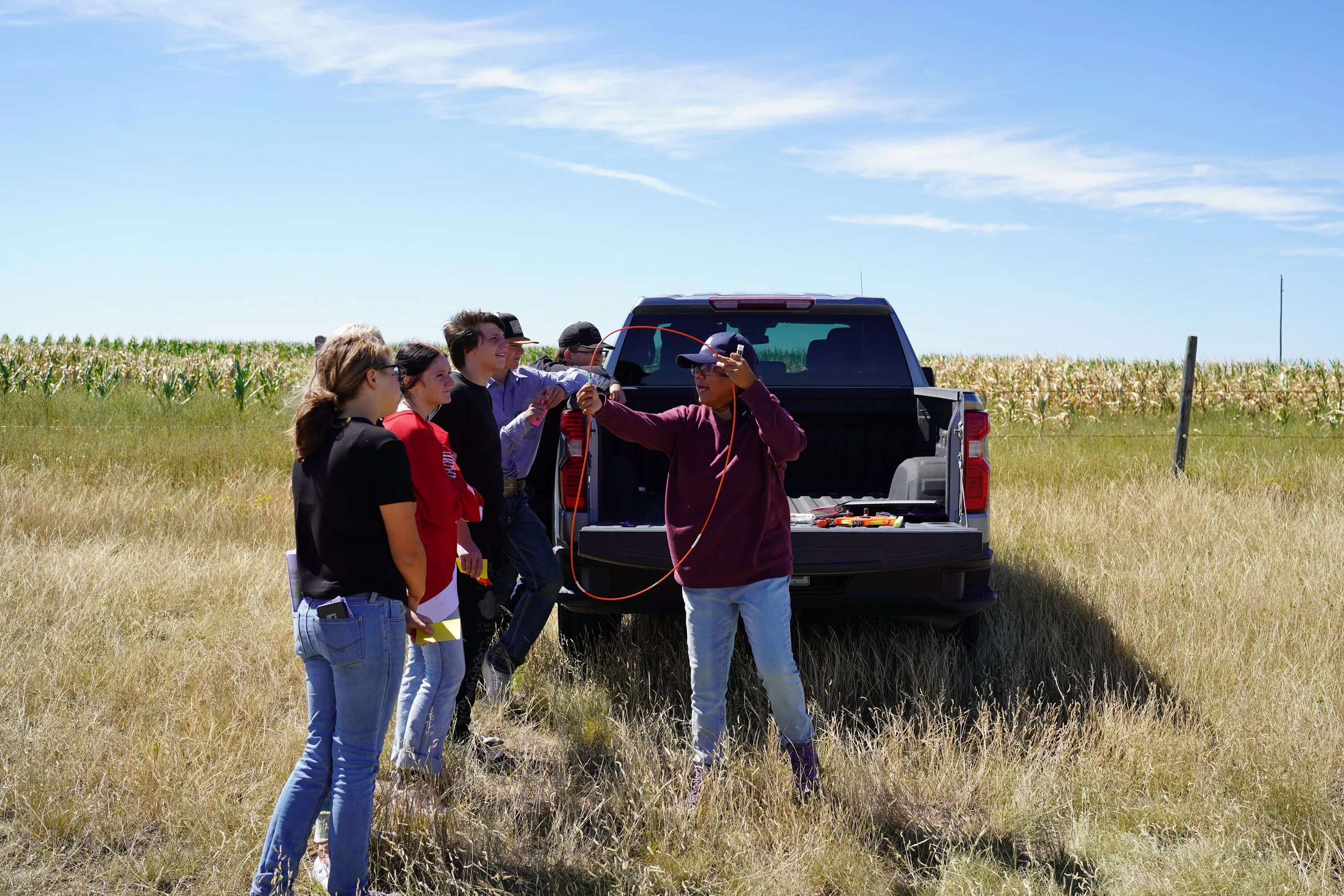
Pathways in practice take the form of scheduled site visits to businesses and college campuses, helping students envision themselves in an array of fields.
Step Two: Pathways in Practice

Pathway Mentorships connect students with career professionals, meeting once a month to discuss post-secondary plans, internship opportunities, and academic advice.